The issue of dual citizenship for Indonesian citizens (WNI) has returned to the public spotlight.
This follows an official proposal from President Prabowo Subianto regarding a limited dual citizenship scheme tailored for the diaspora, researchers, and top professionals residing abroad.
This article delves into the details of the proposed policy for exceptional talents, as well as the official rules currently in effect today.
President Prabowo’s Proposed Limited Dual Citizenship Scheme for Exceptional Talents
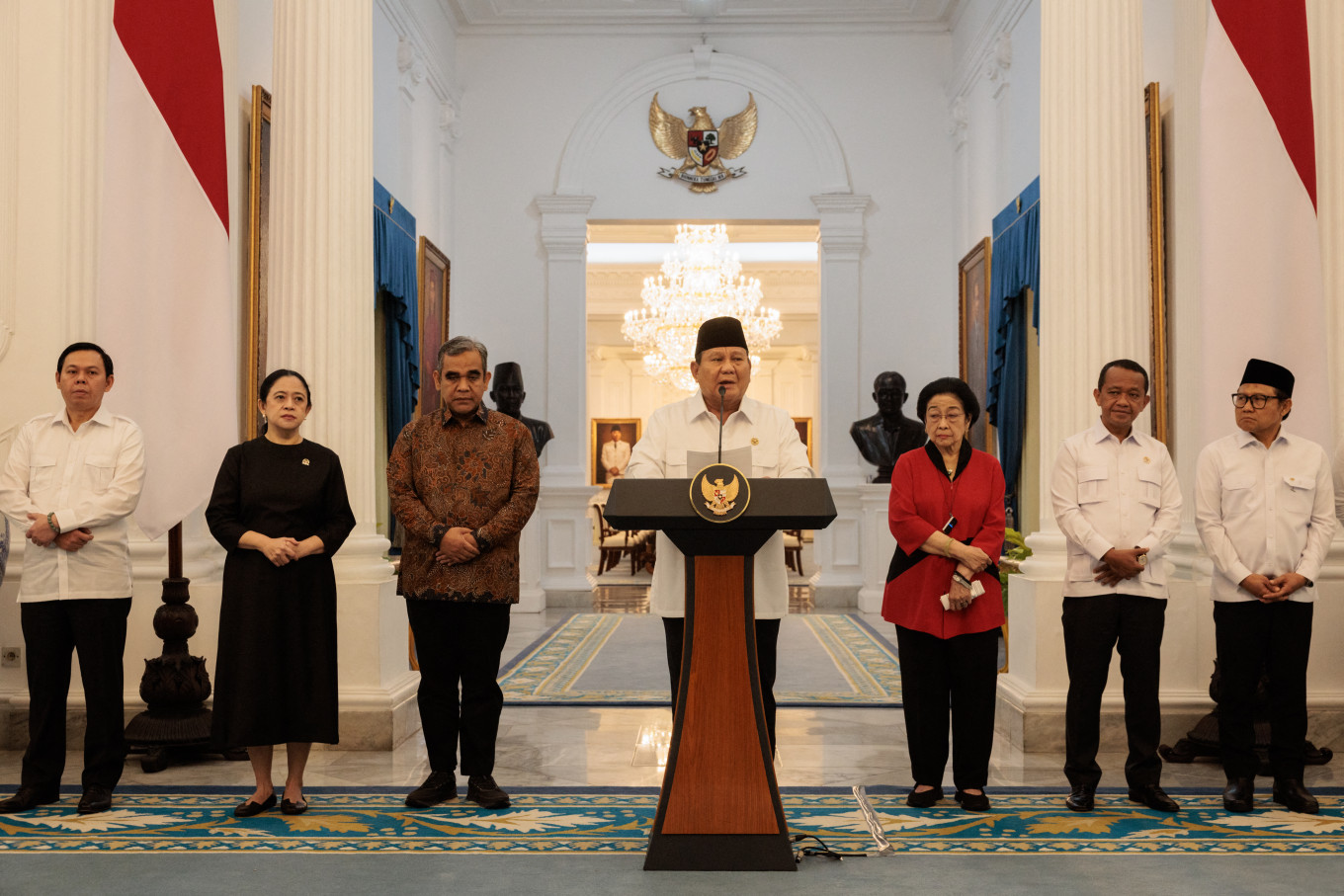
President Prabowo Subianto has proposed amendments to the Citizenship Law to the House of Representatives (DPR RI).
This proposal specifically aims to grant limited dual citizenship to Indonesia’s exceptional talents. The policy is designed so that Indonesian experts, researchers, academics, and top professionals abroad can continue contributing to the country without losing their WNI status.
The government emphasizes that this scheme will be selective, measured, and accompanied by background integrity checks to safeguard national interests.
Legal Basis and Current Dual Citizenship Rules in Indonesia

Despite the proposed revisions, the governing citizenship law in Indonesia to this day remains Law No. 12 of 2006. Legally, Indonesia strictly adheres to the principle of single citizenship for adult citizens. Currently, exceptions for limited dual citizenship only apply to children of dual-national or mixed marriages.
| Status Category | Legal Basis / Regulation | Official Current Legal Provision |
| Adult WNI (General) | Law No. 12 Year 2006 (Article 23) | Strict single citizenship. Indonesian passport is revoked if foreign citizenship is acquired. |
| Children of Mixed Marriages | Law No. 12 Year 2006 (Article 6) | Limited dual citizenship until the age of 18 (or if already married). |
| Exceptional Talents / Diaspora | Press Release / Proposal by President Prabowo | Currently a proposed amendment to the law (not yet officially in effect). |
Who Is Currently Eligible for Dual Citizenship?

Under current laws, Indonesian dual citizenship status is strictly limited to:
-
Children of Mixed Marriages: Children born to a legally married couple consisting of an Indonesian citizen and a foreign national.
-
Children of WNI Parents in Jus Soli Countries: Children born to Indonesian parents in countries that grant citizenship by birthright (such as the US or Canada).
-
Children Legally Adopted by Foreign Nationals: Adoption of an Indonesian child by a foreign national before the child turns 5 years old.
Parents must register children falling into these categories with the Directorate General of Immigration to secure their limited dual citizenship status.
Requirements and Procedures for Processing Indonesian Dual Citizenship
To register an eligible child, the registration process for Indonesian dual citizenship requires the following steps:
-
Online Registration: Submit an application through the official AHU Online portal by the Directorate General of Administrative Law (Ditjen AHU - Ministry of Law and Human Rights).
-
Document Preparation:
-
Child's birth certificate and parents' marriage certificate.
-
Child's Indonesian passport and foreign passport (if applicable).
-
Indonesian parent's National ID (KTP) and Family Card (Kartu Keluarga).
-
-
Certificate Issuance: Immigration authorities will issue a proof of registration for Dual-National Children (Anak Berkewarganegaraan Ganda / ABG).
Proper registration is essential to ensure compliance with dual passport regulations during international travel.
Benefits and Challenges of Dual Citizenship for Travelers and Diaspora
Holding two passports offers high flexibility for modern international mobility.
Key Benefits:
-
Hassle-Free Travel: Ease of entry and stay in two countries without the need to apply for visas.
-
Global Career Opportunities: Access to employment and academic research without foreign labor restrictions.
-
Property Ownership: Legal rights to own property both in Indonesia and abroad.
Challenges to Keep in Mind:
-
Cross-Border Tax Regulations: Risk of dual tax reporting obligations according to relevant national laws.
-
Age Limit Decision: Children must choose a single citizenship before turning 21 years old.
Important Note: The proposed plan to offer dual citizenship to diaspora members and exceptional talents remains a policy proposal under discussion. To date, there is no official legal certainty or finalized date as to when this new scheme will take effect.

Seamless Global Connectivity While Managing Documents or Traveling Abroad with Global Komunika eSIM
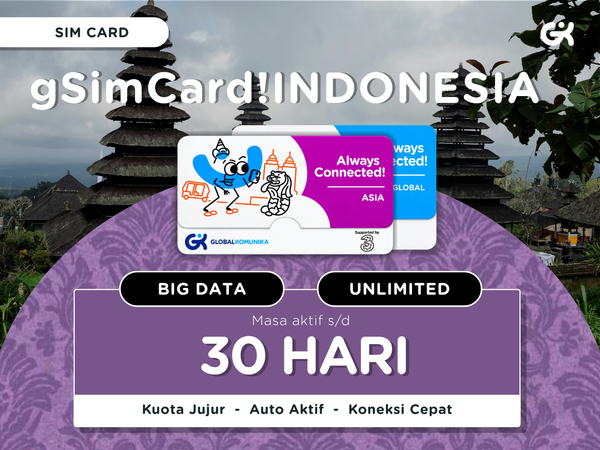
Frequent international travel for embassy paperwork or business trips requires a reliable internet connection. The most convenient solution for Indonesian travelers and diaspora is the Global Komunika eSIM.
Now featuring gSim! & gSimCard! Indonesia — a secure connectivity solution with instant top-ups, valid for life.
-
Instant Activation: Simply scan the QR code, and your data plan activates as soon as you land at your destination.
-
Affordable & Roaming-Free: Enjoy local rates that are significantly cheaper than traditional international roaming.
-
Global Coverage: Smooth connectivity in over 100+ selected countries worldwide.
-
Practical & Secure: Keep your primary Indonesian phone number active on your smartphone to receive bank OTPs or urgent messages.