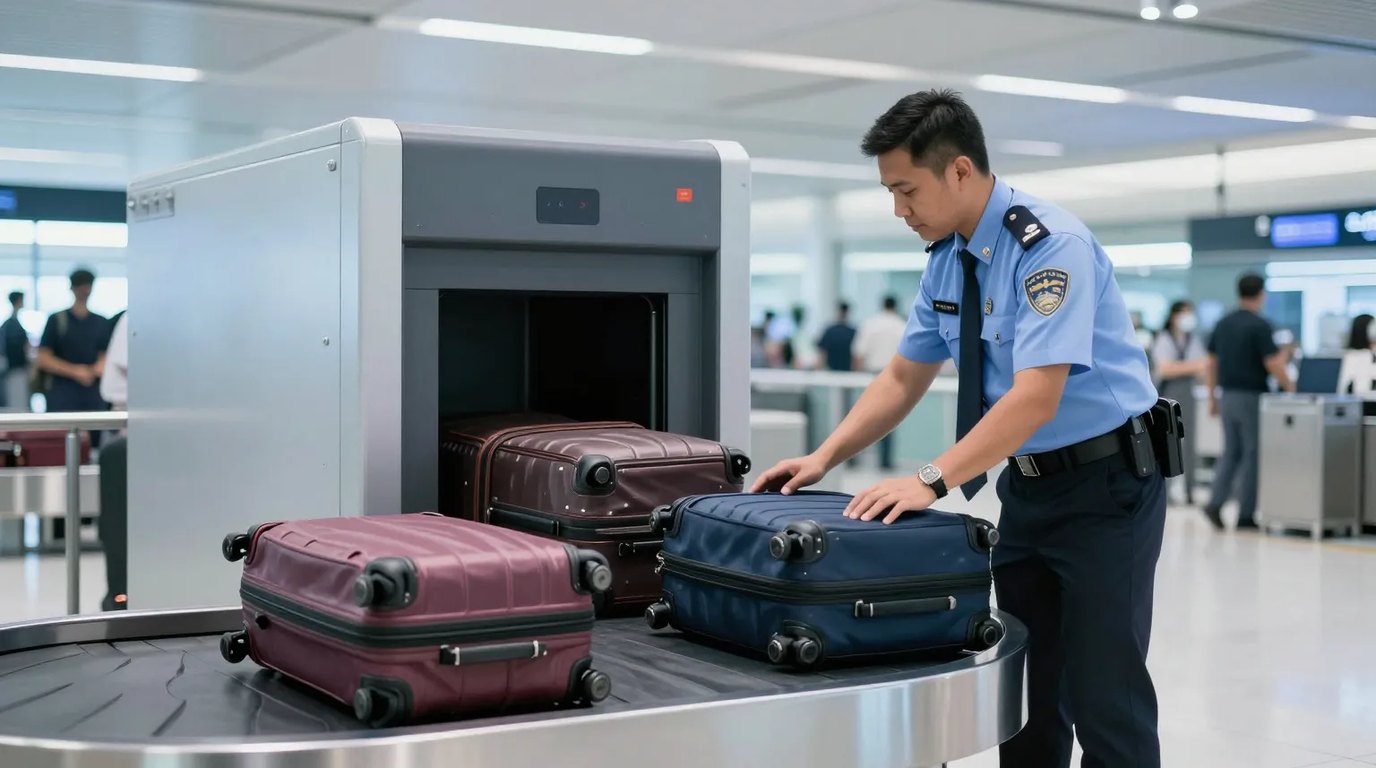
Have you ever imagined getting stranded at a US airport due to a flight delay, only to have the airline refuse your request for hotel or meal vouchers?
That scenario is now a reality under the latest aviation consumer protection regulations enacted by the US Department of Transportation (DOT).
Under these new US flight rules, 10 specific types of flight disruptions are now officially categorized as "uncontrollable disruptions" outside the airline's responsibility.
In short, if your flight is disrupted due to any of these 10 conditions, the airline is no longer legally required to cover your lodging or daily meals.
This unexpected financial liability poses a very real risk for Indonesian travelers planning long-haul vacations or business trips to the United States.
Why Were These New US DOT Flight Rules Issued?

This regulatory update was implemented by the US Department of Transportation (DOT) in accordance with the FAA Reauthorization Act.
The US government aimed to establish a clear legal boundary between internal operational failures (controllable delays) and strictly external factors (uncontrollable delays).
It is crucial to understand that these US DOT regulations apply universally to all flights within US jurisdiction, covering both domestic US carriers and foreign airlines landing in or transiting through the US.
Operational missteps—such as routine maintenance issues, flight crew shortages, or standard cabin cleaning—remain classified as controllable delays, meaning airlines are still obligated to compensate passengers.
On the flip side, external disruptions like natural disasters, cyber incidents, or emergency situations are now classified as uncontrollable disruptions, freeing airlines from paying for accommodation and meals.
10 Flight Disruptions That Are 'Not the Airline’s Fault' Under US DOT Rules

To avoid surprises when transiting through major hubs like LAX, JFK, or SFO, here are the 10 conditions that officially excuse airlines from providing complimentary compensation:
-
Aircraft cleaning required due to an in-cabin passenger death.
-
Aircraft damage resulting from severe weather, sabotage, or foreign object debris (FOD).
-
Baggage delays caused by major airport system failures beyond the airline's control.
-
Cybersecurity attacks on aviation or flight control systems.
-
Sudden government computer system shutdowns or outages.
-
Overheated aircraft brakes following emergency landing procedures.
-
Unscheduled maintenance mandated by urgent safety airworthiness directives.
-
In-flight medical emergencies requiring immediate passenger care.
-
Handling and deplaning unruly or disruptive passengers.
-
Airspace or airport closures caused by extreme weather and natural disasters.
All 10 scenarios are recognized as genuine safety issues or force majeure events entirely outside an airline's direct operational control.
Consequently, you must be prepared to pay out-of-pocket if you get stuck at a transit airport due to any of these reasons.
What Do These New US DOT Rules Mean for Indonesian Passengers?

For Indonesian travelers, these rules apply in full even if you are flying with a non-US transit carrier (such as Asian or Middle Eastern airlines), as long as the disruption occurs within US flight jurisdiction.
Emergency out-of-pocket expenses during a long US flight delay can drain your savings rapidly.
For context, hotel rooms near major US international airports typically range from $150 to $300 (roughly IDR 2.3 - 4.6 million) per night.
Add in daily meals and last-minute local transport—where prices often surge during widespread airport delays—and the costs stack up fast.
Your Ticket Refund Rights:
It is worth noting that you remain entitled to a full cash refund if your US flight is canceled or significantly delayed (3+ hours for domestic / 6+ hours for international) and you choose not to travel.
However, receiving a ticket refund takes processing time and will not cover your immediate living expenses while stranded at the airport.
This financial exposure is precisely why relying solely on airline goodwill is no longer a viable strategy for long-haul travel.
Smart Tips to Prepare for Flight Delays in the United States

Navigating these new regulatory realities requires a proactive travel strategy to keep your trip safe, comfortable, and stress-free:
-
Get the Right Travel Insurance: Make sure you secure travel insurance for the US that explicitly covers uncontrollable flight delays to take over where airline compensation leaves off.
-
Download the Official Airline App: Monitor real-time flight updates, gate changes, and delay announcements directly through your airline’s mobile application.
-
Keep an Emergency Fund Ready: Carry a buffer on an international credit or debit card to pay for emergency lodging and food before submitting your insurance claims.
-
Store Important Contacts & Digital Documents: Scan or snapshot your passport, tickets, and insurance policy onto your phone, and save emergency contact numbers for your airline and insurance provider.
-
Ensure Uninterrupted Data Access: Use a reliable mobile data connection so you can coordinate rebookings, search for emergency hotels, and file claims online without depending on spotty airport Wi-Fi.
Stay Calm During Travel Disruptions: The Global Komunika Ecosystem
To solve the challenges brought by these new regulations, Global Komunika offers an integrated ecosystem that combines financial protection with seamless connectivity.
You won't have to worry about unexpected expenses or getting stranded helpless at a US airport.
1. Financial Protection with Zurich Travel Insurance
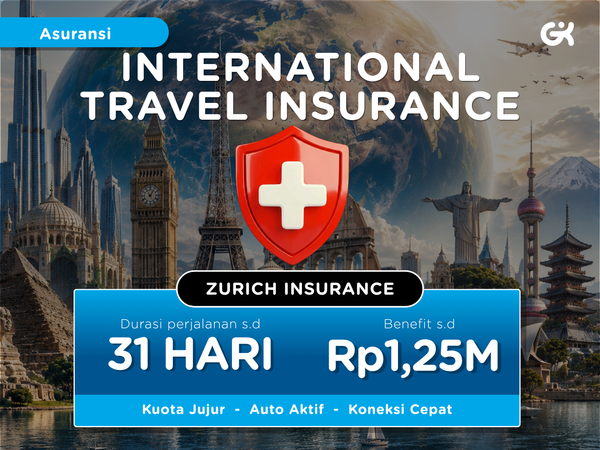
The missing flight delay compensation in the US is now fully bridged by Zurich Travel Insurance via Global Komunika.
-
Delay & Cancellation Benefits: Claim reimbursement for emergency hotel stays and meals according to your policy limits without waiting on airline decisions.
-
Baggage & Document Coverage: Enjoy peace of mind against delayed luggage, lost bags, or misplaced travel documents.
-
Comprehensive Medical Cover: Protect yourself against extremely high international medical and emergency treatment costs in the US.
2. Instant Internet Access via US eSIM
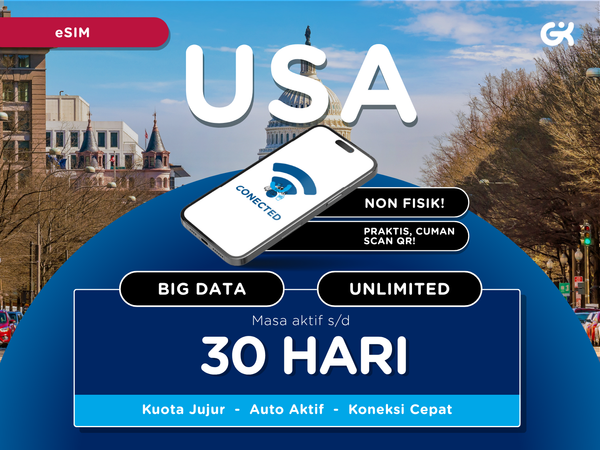
Submitting online insurance claims or booking emergency hotel rooms requires a fast, secure, and stable mobile network.
Relying on overloaded airport Wi-Fi alongside thousands of stranded passengers only leads to frustration and missed booking windows.
With a US eSIM from Global Komunika, your smartphone connects instantly to top US networks (like AT&T or T-Mobile) the moment your plane lands.
You can easily coordinate with family, secure last-minute accommodation, and upload claim documents in real time right from your phone.
Secure Your US Trip Today!
Don't let the risk of flight delays ruin your plans and drain your savings in the United States!
Prepare your dual travel protection by combining Zurich Travel Insurance and a US eSIM today through Global Komunika.
Get a comprehensive travel policy and instant mobile data with a fast, easy, and transparent setup.
Set up your complete travel protection right now at gkomunika.com!